The Step-by-Step Process of Professional Concrete Cutting
People seeking concrete cutting often need precise demolition or installation, and local contractors can handle the step-by-step process of professional concrete cutting to get the job done right.
Understanding the step-by-step process of professional concrete cutting can be valuable for property owners considering renovations, repairs, or new installations. Whether planning to create openings for windows, doors, or utilities, knowing what’s involved can help ensure the job is done safely and effectively. Local contractors who specialize in concrete cutting are equipped to handle these tasks with precision, helping to minimize property disruption and ensure clean, accurate results. Exploring this process can also give insight into the importance of proper planning and technique, which can ultimately save time and reduce potential issues down the line.
For property owners in the area, working with experienced service providers can make a significant difference in the outcome of concrete cutting projects. These professionals understand the nuances of different concrete types and the tools needed to get the job done right. By learning about the typical steps involved, from assessment to execution, property owners can feel more confident about the process and better prepared to choose the right local contractor for their specific needs. Keep reading to discover how local experts approach this essential service and how it can support your upcoming projects.
- Foundation modifications - when property owners need precise cuts for foundation repairs or adjustments, local contractors follow a careful process to ensure structural integrity.
- Driveway and sidewalk expansion - for expanding or creating new pathways, local pros use specialized tools to achieve clean, accurate cuts as part of the step-by-step process.
- Utility opening installations - when installing pipes, wiring, or drainage, service providers perform detailed concrete cuts to accommodate necessary access points.
- Concrete demolition and removal - during renovation projects, local contractors employ the concrete cutting process to safely segment and remove existing slabs or structures.
- Decorative cuts and patterns - for aesthetic enhancements, professionals execute precise cuts and designs, following a structured process to achieve desired visual effects.
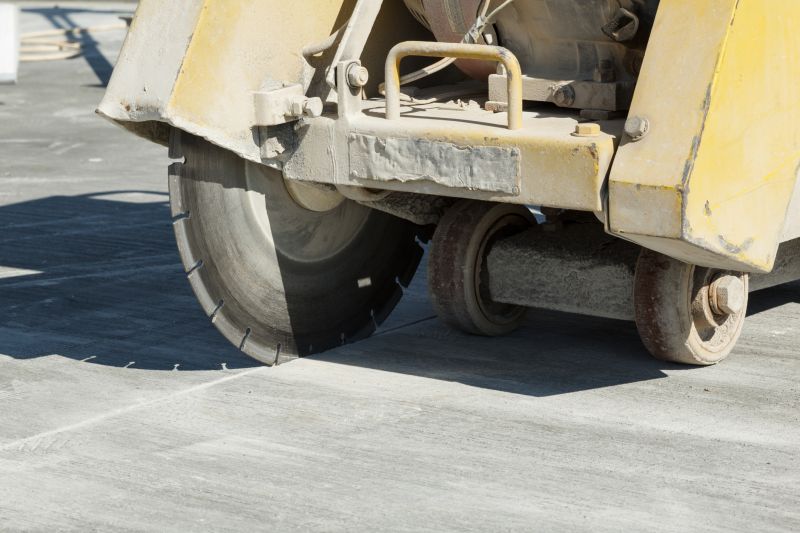
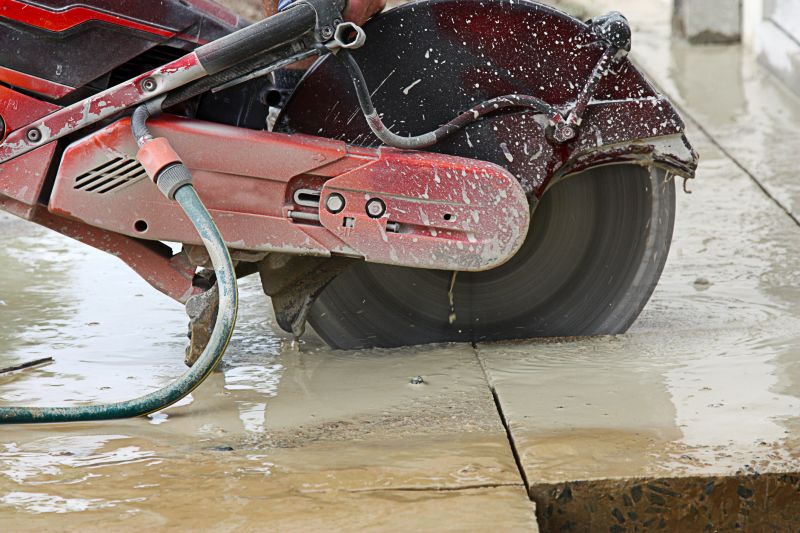
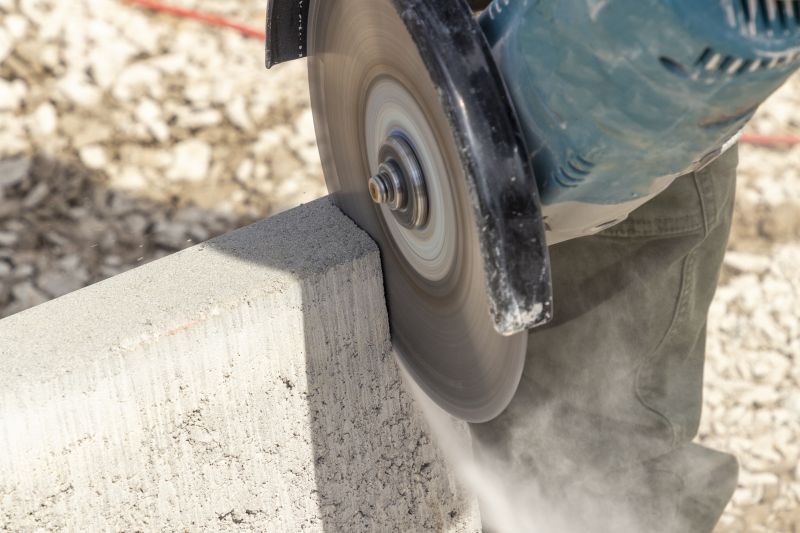
When people search for the step-by-step process of professional concrete cutting, they often want to understand how the work is performed, especially if they are planning a renovation, expansion, or repair project. This process typically involves precise removal of sections of concrete to create openings for doors, windows, pipes, or electrical conduits. Homeowners and property managers may be exploring this topic to better grasp what’s involved in cutting through existing concrete safely and efficiently, or to compare different service providers. Understanding the steps involved helps clarify how experienced contractors approach complex tasks, ensuring that the project’s structural integrity and safety are maintained throughout.
Concrete cutting is closely related to a variety of problems and plans that property owners encounter. For instance, it is often part of remodeling or renovation projects where new layouts require opening walls or floors. It can also be essential in repair work, such as removing damaged sections of concrete or creating access points for plumbing and electrical systems. Additionally, concrete cutting may be used in demolition projects or when installing new infrastructure, like driveways, sidewalks, or foundations. Recognizing how the process unfolds helps property owners see how professional service providers can help execute these plans with precision, minimizing disruption and avoiding damage to surrounding structures.
The types of properties where concrete cutting services are typically needed span both residential and commercial settings. Homeowners might require cutting for basement conversions, garage renovations, or adding new doorways and windows. Commercial property owners and facility managers often need concrete cutting for larger-scale projects such as office expansions, parking lot modifications, or industrial upgrades. The process is adaptable to various property sizes and complexities, from small residential slabs to extensive commercial floors. When considering concrete cutting, property owners should understand how local contractors tailor their techniques to suit the specific requirements of each property type, ensuring the work is performed accurately and efficiently.
Understanding the concrete cutting process helps homeowners connect how local service providers fit into their projects. These professionals bring the necessary equipment and expertise to handle different types of concrete and project scopes. They typically start by assessing the job site, planning the best approach for the cut, and selecting the appropriate tools-such as saws with diamond blades or wall saws-based on the thickness and location of the concrete. The process involves marking the cut lines, setting up safety measures, and then carefully executing the cut while controlling dust and vibration. Property owners benefit from knowing that experienced contractors follow a structured approach, which helps ensure the work is completed safely, accurately, and with minimal disruption to the property.
Flooring Removal Projects - Professional concrete cutting skills are essential for accurately removing old concrete slabs during flooring replacements or renovations.
Foundation Repair Services - Precise cutting techniques are often needed to access or modify foundation elements without damaging surrounding structures.
Concrete Wall Modifications - Local contractors use specialized cutting tools to create openings or alter existing concrete walls for renovations or installations.
Driveway Expansion and Repair - Extending or repairing concrete driveways requires careful cutting to ensure clean edges and proper integration with existing surfaces.
Utility Line Installation - Installing or repairing underground utilities involves precise concrete cutting to access pipes and wiring beneath concrete surfaces.
Industrial Concrete Demolition - Large-scale demolition projects depend on skilled cutting techniques to safely break down concrete structures efficiently.
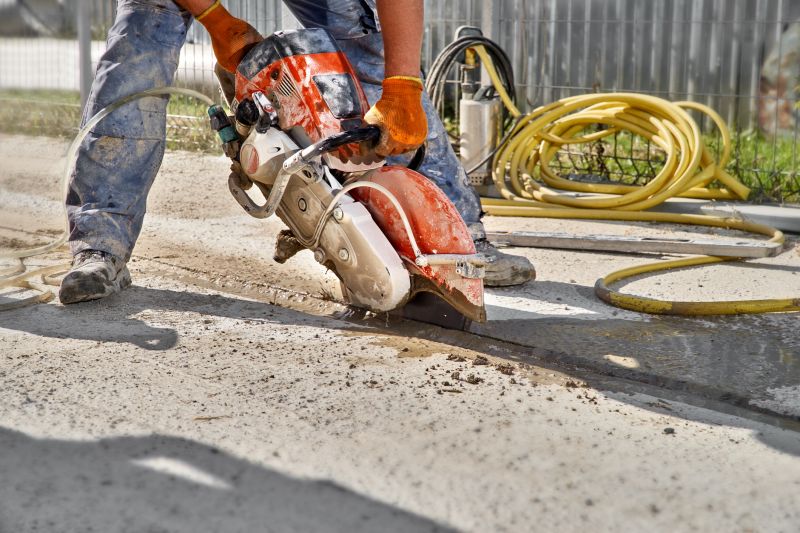
When evaluating service providers for concrete cutting, it’s important to consider their experience with similar projects. A contractor’s familiarity with the specific requirements of the step-by-step process of professional concrete cutting can greatly influence the quality of the work and the efficiency of the job. Homeowners should inquire about the types of projects the contractor has handled in the past, ensuring they have a solid track record with tasks comparable to their own. This helps to gauge whether the contractor has the practical knowledge and skills necessary to navigate the complexities involved in precise cuts and proper handling of the materials.
Clear, written expectations are essential when comparing local contractors for concrete cutting services. A reputable service provider should be willing to outline the scope of work, the methods they plan to use, and any specific considerations relevant to the project. Having these details documented helps prevent misunderstandings and ensures everyone is aligned on the process. Homeowners are encouraged to ask for detailed proposals or estimates that specify what will be done, how it will be achieved, and what the project timeline might look like, fostering transparency and accountability throughout the process.
Reputable references and effective communication are key indicators of a dependable contractor. Homeowners should seek out reviews or testimonials from previous clients to gain insight into the contractor’s reliability and quality of work. Additionally, good communication-such as prompt responses to questions and clear explanations of procedures-can make the entire project smoother. Contractors who prioritize open dialogue and provide consistent updates tend to be more attentive to client needs and can better manage the step-by-step process of professional concrete cutting, ultimately contributing to a more successful outcome.
Property owners often search for the step-by-step process of professional concrete cutting when they are planning practical projects around their homes and businesses. Local pros provide Concrete Cutting services for everyday jobs and straightforward project options.
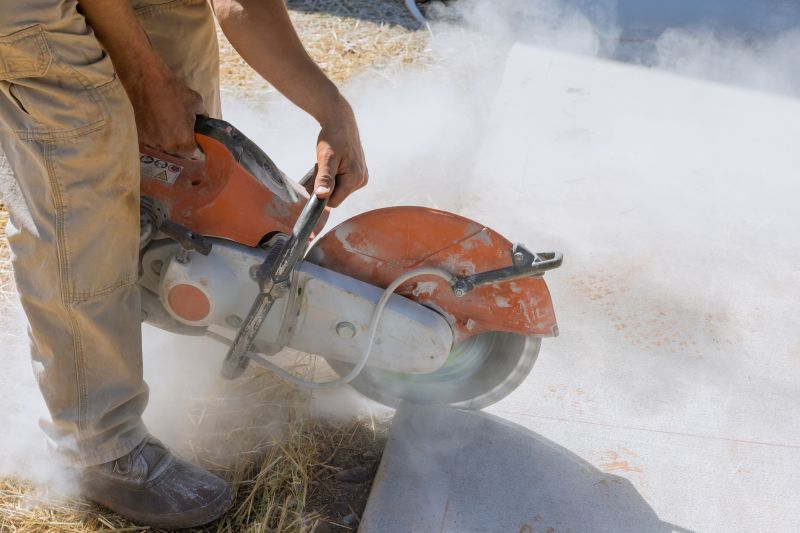
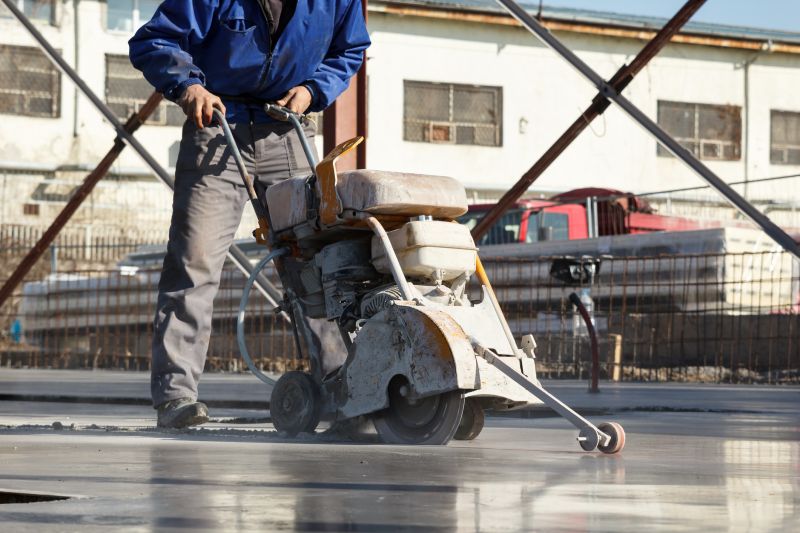
Understanding the step-by-step process of professional concrete cutting can help property owners better grasp what’s involved when making modifications to existing structures or preparing for new installations. Whether it's creating openings for doors and windows, installing utilities, or making adjustments to a driveway, many local property owners seek out expert concrete cutting services to ensure the job is done accurately and efficiently. These specialists use specialized equipment and techniques to handle the tough material, often requiring precise measurements and careful planning to avoid damaging surrounding areas or existing structures.
For those considering concrete cutting for home renovations or repairs, knowing how local contractors approach the process can provide confidence in their choice of service providers. Professionals typically start with a detailed assessment of the project, followed by marking the cutting lines and preparing the site. They then use tools like saws and blades designed specifically for concrete to execute the cuts cleanly and safely. Property owners can rely on local service providers to handle these tasks with expertise, helping to ensure that the project progresses smoothly while maintaining the integrity of the surrounding areas.
What is the first step in the professional concrete cutting process? The initial step involves assessing the concrete surface and determining the best cutting method to ensure precision and safety, which local service providers can help evaluate.
How do contractors prepare the site for concrete cutting? Contractors typically mark the cutting lines, clear the area of obstructions, and set up safety barriers to protect surrounding surfaces and personnel.
What tools are used during the concrete cutting process? Professional concrete cutting usually involves specialized tools such as diamond blades, saws, and core drills, operated by experienced service providers.
How is the actual cutting performed to ensure accuracy? The cutting is done using controlled, steady movements along pre-marked lines, often with the help of guiding equipment to maintain precision throughout the process.
What happens after the concrete has been cut? After cutting, contractors may clean the area, remove debris, and perform any necessary finishing touches to prepare for subsequent construction or installation tasks.
Assessing the Project Area - Property owners can work with local contractors to evaluate the concrete surface and determine the best cutting approach for their specific project.
Selecting the Right Cutting Method - Understanding different techniques helps property owners choose the appropriate method, with local pros providing expert guidance.
Preparing for the Cut - Proper planning and site preparation ensure a smooth process, with local service providers helping to mark and protect surrounding areas.
Executing the Cut Safely - Professional concrete cutting involves precise, safe execution, and property owners can rely on local contractors to handle the job efficiently.
If you are thinking about the step-by-step process of professional concrete cutting for a property, this guide is meant to help you understand this topic, the typical project types, and how different options might fit your plans.
When you are ready, you can use the quote form on this page to share a few details about your project. From there, local pros can review the basics and follow up with options that match what you have in mind.